


Ever wondered why some companies seem to predict the future and dominate their industries while others stumble in uncertainty? The secret sauce is often behind-the-scenes: strategic business planning. If you want your organization—or your next project—to not just survive but thrive, mastering strategic planning is essential. This guide will reveal expert insights, myth-busting ideas, practical frameworks, and the latest tools (including generative AI) so you’ll never look back on the old ways again.
Are You Maximizing Your Strategic Business Planning Potential?
If you’re relying on guesswork or outdated routines, you’re missing out on transformational opportunities. Strategic business planning isn’t about endless meetings or wordy documents no one reads. It’s about setting clear strategic goals, mapping them into actionable plans, and building in flexible processes so your business can adapt, outmaneuver competitors, and reach its true potential. In today’s rapidly changing markets, organizations that treat strategic planning as a living, breathing process—using tools like the balanced scorecard and performance indicators to track progress—will leave rivals behind.
Whether you’re a C-suite executive, small business owner, or team leader focused on internal projects, this guide walks you through every step of the strategic planning process: from challenging assumptions and clarifying your vision, to tracking measurable results. Let’s get started—your next-level success awaits.

Challenging Common Beliefs About Strategic Planning
It’s a common misconception that strategic business planning is only for huge corporations with deep budgets and long timelines. In reality, companies of every size—startups, nonprofits, and established enterprises—can (and should) leverage these frameworks. The real challenge isn’t making a plan; it’s making the right plan, and ensuring it remains actionable even as business landscapes shift. We’ll break down what effective strategic plans look like and why using action plans and performance tracking means the difference between wishful thinking and lasting results.
What You'll Learn About Strategic Business Planning
The core concepts and benefits of strategic business planning
How to design an effective strategic plan
Understanding the stages, frameworks, and terms (strategic planning process, balanced scorecard, strategy map)
Using generative AI in strategic business planning
Practical steps to track progress and measure success
Understanding Strategic Business Planning
At its core, strategic business planning is about connecting your company’s ambitions—its long-term vision and mission—with the concrete actions that deliver measurable value. Skip this step, and you risk running projects that drain resources, miss opportunities, or end up sidelined due to lack of direction. To truly excel, your strategic plan needs to sync with both your business model and your team’s day-to-day realities.
The most comprehensive strategic plans are not static—they adapt as internal and external environments shift. Strategic planning is an ongoing process. You’ll consider internal strengths and weaknesses, scan for external threats and opportunities, and focus your resources on the right initiatives with the highest return on effort. This structured but flexible approach is what separates leaders from followers in any industry.
What Is Strategic Business Planning?
Strategic business planning involves mapping the journey between today’s realities and an envisioned future—using logical frameworks, hard data, and structured thinking. It’s more than a short-term project plan or a one-and-done business plan; it’s a disciplined approach to setting objectives, identifying key elements for success, establishing performance targets, and responding to changing market conditions. Key to this is strategic thinking: looking at the big picture while understanding detailed steps and necessary resources.
Whether you’re working on a company-wide transformation or a launch for a new product line, strategic planning asks: What do we want to achieve (strategic goals)? How will we get there (action steps and strategy map)? And how do we know we’re on track (key performance indicators)? Each of these questions guides the policies and specific initiatives that turn a vision into reality. And as you’ll see, it’s not just for business leaders—it’s for every team that wants results.

Why Is a Strategic Plan Essential for Success?
If you’ve ever wondered why some ventures reach their targets while others fall short, the answer almost always involves the quality of their strategic plan. A strong strategic plan bridges the gap between good intentions and sustainable results. It clearly communicates goals, aligns resources, identifies potential risks, and creates accountability through action plans and measurable milestones. It also builds consensus, ensuring every stakeholder—from leadership to frontline employees—understands their role in success.
Without a strategic planning process, organizations risk losing focus when priorities change or problems arise. With one, you empower your team to make informed decisions, adapt to disruption, and seize new opportunities quickly. It’s not about predicting the future, but preparing for it with clarity, rigor, and agility. In summary: If your business plan shows “where you want to go”, your strategic plan reveals exactly “how you’ll get there.”
“A business plan may show where you want to go, but a strong strategic plan reveals how you’ll get there.”
Core Elements of an Effective Strategic Plan

Key Elements of Strategic Business Planning
The foundation of successful strategic business planning lies in clearly defining the core building blocks that make your strategy actionable. This includes laying out your strategic goals (specific and measurable objectives), outlining concrete action plans (steps and timelines), selecting relevant performance indicators (ways to measure progress), and leveraging frameworks like the balanced scorecard. By mapping these out from the start, you ensure that each plan focuses energy and resources in the right places.
Some leaders make the mistake of stopping at vision and mission statements. But key elements like resource allocation, risk identification, and tracked outcomes make the difference between lofty ideas and practical results. Investing in this comprehensive planning approach is how businesses outperform the competition and adapt to changing conditions with confidence.
Table: Key Components of Strategic Business Planning, Strategic Planning, and Business Plan |
|||
Component |
Strategic Business Planning |
Strategic Planning |
Business Plan |
|---|---|---|---|
Strategic Goals |
Establishes SMART goals aligned with vision |
Defines long-term objectives and outcomes |
Outlines milestones for the business model |
Action Plans |
Details action steps and responsible teams |
Connects strategic priorities to specific initiatives |
Specifies operational steps and timelines |
Performance Indicators |
Tracks success using KPI dashboards |
Measures progress using the Balanced Scorecard |
Sets milestones for investors or lenders |
Balanced Scorecard |
Integrates financial, customer, internal process, and learning metrics |
Supplies balanced metrics for comprehensive strategy execution |
Rarely used in basic plans, but crucial for complex growth |
The Strategic Planning Process: Step-by-Step
Turning vision into victory requires a series of deliberate, coordinated steps. The strategic planning process generally involves five core phases: Strategic Thinking, Mapping Your Strategy, Measurement, Resource Allocation, and Performance Tracking. Each phase builds clarity and ensures nothing is left to chance—from the initial idea to full execution and ongoing improvement. Let’s break down each step so you can make it work for your team or business.
This method anchors your plan in real data and continuous learning, so it stands up in the face of market shifts, internal growth, and new challenges. Equipped with this roadmap—and the right frameworks along the way—you’ll move from vague ambitions to targeted results faster than you thought possible.
Step 1: Strategic Thinking and Setting Strategic Goals

Everything starts with clarity of purpose. Strategic thinking is about analyzing your environment, identifying opportunities and weaknesses (often with SWOT analysis), and determining where your biggest impact can be made. Here’s where you define your strategic goals—ambitious, yet achievable targets that guide the rest of your plan. Whether you use Harvard Business School strategies or simply look at what the market needs, effective strategic thinking is about aligning team, talent, and resources to a shared goal.
Set SMART (Specific, Measurable, Achievable, Relevant, Time-bound) goals for every critical area: growth, customer experience, innovation, and efficiency. By making your strategic goals clear, you enable leadership and teams alike to rally behind the plan and focus resources on what matters most. Keeping your eyes on the end result while understanding the landscape ensures your strategy stands the test of time and competition.
Step 2: Mapping Your Strategy and Creating Strategic Plans
This phase translates big-picture ideas into a visual and actionable roadmap—often called a strategy map. It connects your strategic goals with key initiatives, departments, and timelines. Strategic plans in this context go beyond documents; they establish cause-and-effect relationships between resources, activities, and performance outcomes. Your strategy map clarifies how each initiative links up to the business’s overarching mission and vision, ensuring no stakeholder is left wondering “why” or “how.”
Breaking down strategy into actionable project plans is critical for moving from talk to traction. Define specific initiatives, responsible parties, deadlines, and criteria for success. In today’s fast-paced business world, agile mapping tools and digital dashboards make it easier than ever to follow the plan, adjust to feedback, and celebrate early wins. This discipline keeps your team aligned and committed to results.
Step 3: Balanced Scorecard – Measuring What Matters
The balanced scorecard is a powerful framework that ensures companies measure more than just financial performance. By tracking metrics across financial, customer, internal process, and learning/growth perspectives, you create a complete view of what’s working and what needs improvement. This comprehensive approach helps avoid the trap of tunnel vision—one of the top mistakes in traditional business plan thinking.
Use the balanced scorecard to tie performance indicators to strategy: revenues, customer retention, process quality, employee engagement, and innovation cycles. Regularly reviewing these metrics (monthly, quarterly, or tailored to your industry) turns data into insight, and insight into action. The balanced scorecard isn’t just a tool—it’s a culture shift towards evidence-based decision-making, aligning energy and effort for the highest payback.
Step 4: Allocating Resources and Action Plans
Strategic brilliance means little without the resources to execute. Successful organizations don’t just set goals—they allocate resources strategically, aligning budgets, time, technology, and talent with the most important action plans. This may mean making tough choices, prioritizing some initiatives over others, or investing in systems that accelerate results. Clear communication and buy-in across leadership and teams is vital at this stage.
Effective resource allocation demands hard data and honest evaluation. Which projects will deliver the most value? Where are the bottlenecks or gaps in capability? A well-structured plan focuses money, talent, and time on initiatives that advance organizational goals, not simply those that are easiest or most popular. Resourcing your strategic business planning well sets the entire operation up for sustainable growth and learning.
Step 5: Track Progress with Key Performance Indicators
Committing to a plan is only the first step—making progress measurable ensures your efforts yield real returns. Key performance indicators (KPIs) are quantifiable metrics tied to your strategic goals. KPIs guide teams, flag problems early, and benchmark progress against your initial plan focus. Effective tracking also uncovers potential risks, allowing you to adapt before small issues become major obstacles.
Tracking should be dynamic and transparent: dashboards, regular reviews, and open discussions build a culture of accountability. The ability to track progress—and respond rapidly—turns your business plan into an ongoing process of learning and improvement. Remember, it’s not about perfection, but continuous adaptation and consistent performance.
“Strategic business planning is not a one-time event—it is a dynamic, continuous process.”
Integrating Strategic Management Into Your Planning Process
The highest level of success comes when companies embed strategic management directly into daily operations. This means regular assessment, feedback loops, and fostering a culture where strategic thinking is everyone’s job, not just upper management’s. Strategic management is about making strategy visible and actionable at every level, ensuring frontline employees, managers, and leaders are all rowing in the same direction.
Integrating strategic planning with HR, marketing, technology, and finance is essential for true alignment. The right frameworks formalize accountability, build momentum, and drive lasting change—making the difference between a plan focus that sits on a shelf and one that delivers breakthrough results.
Tools and Frameworks for Strategic Business Planning

Strategy Map: Visualizing Your Strategic Plan
Strategy maps are visual tools that link your strategic goals to specific action plans and performance outcomes. They provide clarity on how short-term initiatives drive long-term growth, helping everyone see their impact. By mapping the connections between resources, processes, and results, strategy maps transform a static business plan into a dynamic toolkit for continuous improvement and adaptation.
Digital platforms make building and maintaining strategy maps easier than ever—real-time updates, collaborative editing, and integrated KPIs keep everyone informed. Strategy maps also empower better resource allocation, as teams see the direct relationship between their tasks and company success. For leaders, this means fewer bottlenecks and more agile, high-performing teams focused on strategic execution.
Leveraging Generative AI in Strategic Planning

The rise of generative AI is changing the game in strategic business planning. AI-powered tools can process massive amounts of market data, identify trends, simulate scenarios, and even generate draft action plans to accelerate the planning process. Generative AI also enables continuous monitoring and instantaneous reporting on performance indicators, allowing leaders to adapt strategies in real time as conditions change.
Smart organizations are already using generative AI for tasks like SWOT analysis, predictive analytics, and mapping potential risks throughout the strategic planning process. This not only saves time but also uncovers growth opportunities and blind spots that humans might miss. Blending human insight with AI-powered analytics builds a strategic advantage that’s tough for competitors to match—giving you smarter, faster, and sharper planning capabilities.
Balanced Scorecard in Practice
In practice, the balanced scorecard isn’t just about measuring; it drives real change. By breaking down performance into four balanced perspectives—financial, customer, internal process, and learning/growth—leaders gain a holistic view of business health. Action plans are then tied directly to these metrics, so every action step can be evaluated for its impact on what matters most.
Organizations that regularly use the balanced scorecard outperform those that rely solely on financial measures or annual reviews. When you anchor discussions to real KPIs, teams stay motivated, focused, and aligned. This approach is adaptable to every kind of business—from digital startups to established enterprises—making it a cornerstone of effective strategic business planning.
Popular Strategic Planning Tools and Techniques:
SWOT Analysis
Scenario Planning
OKRs (Objectives and Key Results)
Project Plans
Lists: Common Mistakes in Strategic Business Planning
Lack of clear vision
Poor allocation of resources
Failing to track progress
Not aligning action plans with strategic goals
People Also Ask About Strategic Business Planning

What is a strategic planning business?
A strategic planning business specializes in helping organizations develop, implement, and manage comprehensive strategic business planning processes. These consultants or firms offer expert guidance to clarify vision, set achievable strategic goals, design measurable action plans, and integrate performance tracking (like balanced scorecard KPIs), ensuring the organization's long-term success and resilience.
What are the 4 P's of strategic planning?
The 4 P’s of strategic planning are Purpose (clarifying vision and goals), People (engaging the right stakeholders and building teams), Process (streamlining and documenting planning activities), and Performance (establishing metrics and using data-driven performance indicators). Each P ensures your strategic business plan is robust, actionable, and sustainable.
What are the five stages of strategic planning?
The five stages of strategic planning are: 1) Setting goals, 2) Analyzing the environment (including SWOT analysis and scenario planning), 3) Strategy formulation (choosing pathways and creating plans), 4) Strategy implementation (allocating resources and deploying action steps), and 5) Monitoring progress (using KPIs and balanced scorecards for continuous review). Mastering these stages is crucial for effective, ongoing business strategy.
What are the 5 C's of strategic planning?
The 5 C’s of strategic planning stand for Clarity (clear vision and direction), Capability (resources and skills), Culture (values and behaviors), Communication (effective internal/external messaging), and Commitment (leadership and stakeholder engagement). These pillars help ensure your strategic business planning process is holistic and effective from start to finish.
Incorporating Strategic Business Planning Into Daily Operations
The real power of strategic business planning is unlocked when it’s woven into everyday operations, not just annual retreats. This means transforming big-picture strategies into step-by-step action and project plans that guide daily decision-making. When each team member understands their role in strategic initiatives, your organization moves with greater speed, coordination, and purpose.
Consistently applying the principles of strategic planning—setting targets, monitoring KPIs, and using feedback to adjust—empowers teams at every level. Success happens not in one fell swoop, but through disciplined, data-driven action pursued every day.
Setting Action Plans and Project Plans
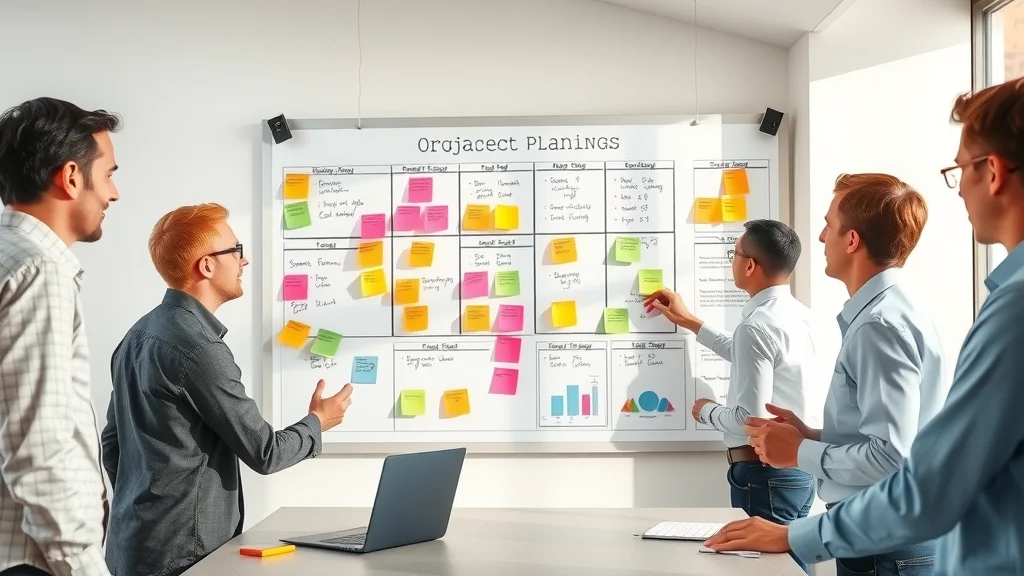
To turn strategy into impact, you need well-defined action plans and project plans. These break big objectives into bite-sized, achievable tasks, assign responsibilities to specific team members, and set clear timelines. The more detailed your project plan, the easier it is to track progress, spot issues early, and keep everyone focused on results rather than distractions.
Effective action plans answer: Who does what, by when, and how do we measure success? Using tools like digital Kanban boards, project management platforms, or simple checklists, leaders make strategic business planning part of the daily workflow. Consistency and clarity make even the most ambitious goals attainable.
Tracking Progress With Performance Indicators
Real-time tracking of performance indicators ensures that your strategic business planning never becomes outdated. KPIs are the pulse check of your organization—revealing what’s working, what’s stalled, and where to adapt. Regularly reviewing key metrics in team meetings keeps everyone engaged and accountable.
Whether you use automated dashboards or simple spreadsheets, the crucial step is to align each indicator with a specific strategic goal or initiative—so you’re not just busy, but moving in the right direction. This level of discipline, paired with regular feedback, accelerates learning and ensures that every tweak to your plan delivers a measurable return.
FAQs: Strategic Business Planning
How often should you revisit your strategic business planning?
You should review and update your strategic business planning at least quarterly, with a comprehensive review annually or when major market shifts or internal changes occur.What’s the difference between a business plan and a strategic plan?
A business plan describes the business model and operational basics, while a strategic plan focuses on achieving specific long-term objectives with detailed initiatives, KPIs, and flexible frameworks for adaptation.How do you use a balanced scorecard effectively?
Use the balanced scorecard to set measurable targets and track results across financial, customer, internal, and learning perspectives—reviewing progress regularly and adjusting action steps accordingly.What are effective tools for strategic thinking?
Proven tools include SWOT analysis, scenario planning, OKRs, and digital dashboards for real-time KPI monitoring, along with AI-driven platforms for deeper insights.
Key Takeaways on Strategic Business Planning
Strategic business planning builds sustainable success.
Use data-driven frameworks like the balanced scorecard.
Consistent tracking and adaptation ensures ongoing relevance and effectiveness.

Next Steps: Begin Your Strategic Business Planning Journey
Ready to unlock your organization’s full potential? Watch our animated walkthrough below and don’t hesitate to seek the guidance of seasoned experts for maximum impact on your next strategic initiative.
Step-by-step breakdown: brainstorming, mapping, resource allocation, tracking, and results (1:30 min)
Call Keith @ 1 833 229 5500 or send him an Email: connect@keithstoller.com for expert strategic business planning guidance.
Don’t just make plans—make progress. Strategic business planning puts you in the driver’s seat for long-term growth and sustainable success.
Sources:










Write A Comment